

An in-depth exploration of Mahjong, covering the game's description, introduction, and rules, with a connection to current events.
Mahjong: A Timeless Game of Strategy and Skill
Mahjong is a tile-based game that has captivated players around the world for centuries. Originating in China, this intricate game of skill, strategy, and calculation has transcended cultural boundaries to become a beloved pastime in many countries. Whether you're a seasoned player or a newcomer eager to learn, the game of Mahjong offers a rich and engaging experience.
The Origins and Evolution of Mahjong
The roots of Mahjong trace back to the Qing dynasty in China, where it was played as a gambling game. Legends suggest various origins, from fishermen off the coast of China to royal court inventors. Despite these varying tales, the standardized game began to take shape in the early 20th century. Over time, Mahjong evolved, undergoing several changes that localized its rules and styles across different regions.
In the 1920s, Mahjong gained international fame, especially in the United States, where it was embraced by the Jewish community. The game's appeal continues to grow globally, with each country adding its unique twist, enriching the game with regional variants and distinct rules.
Introduction to Mahjong Tiles and Play Area
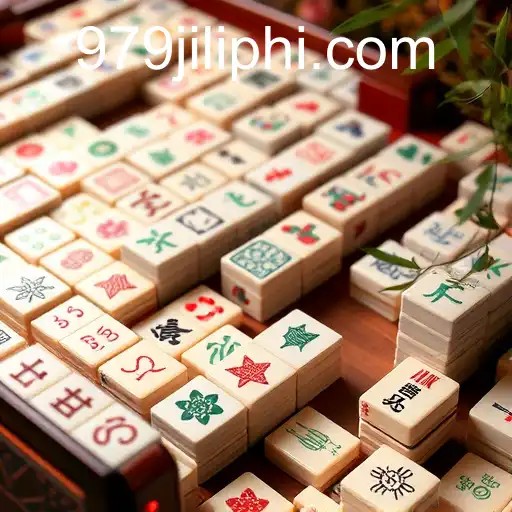
The Mahjong set typically consists of a total of 144 tiles, though this number can vary depending on regional variants. The tiles are primarily divided into three categories: suits, honors, and bonuses.
Tile Categories
- Suits: These consist of the Bamboo, Character, and Circle suits. Each suit contains numbered tiles ranging from one to nine.
- Honors: These include Wind tiles (East, South, West, North) and Dragon tiles (Red, Green, White).
- Bonuses: These encompass Flower and Season tiles, which are often used in advanced play to add complexity to the game.
The game is traditionally played on a square table, where players sit facing each other. The initial setup, involving the shuffling and building of the wall, marks the beginning of an exhilarating journey filled with strategy and critical thinking.
Basic Rules and Gameplay
At its core, Mahjong is about building a winning hand, typically consisting of 14 tiles. Players attempt to create combinations of three tiles (either 'Pong', three identical tiles, or 'Chow', a sequence of tiles within a suit) and a pair, known as the 'head'. The game progresses in rounds, with players drawing and discarding tiles strategically to complete their hand.
Phases of Mahjong
- Building the Wall: After shuffling the tiles, players create a line of face-down tiles, known as the wall. Each player then breaks the wall to form a set of tiles.
- Drawing and Discarding: Players take turns drawing a tile from the wall or from a discarded pile to enhance their hand, discarding an unwanted tile in turn.
- Calling Mahjong: When a player completes a legal hand, they can declare 'Mahjong', ending the round and scoring points based on the intricacies of their hand.
Scoring systems vary widely among different Mahjong variants, yet the complexity of scoring adds to the strategic depth of the game, requiring players to make calculated decisions at every stage.
Current Events in the World of Mahjong
Mahjong continues to leave its mark on modern gaming culture. Notably, online platforms such as 979JILI.COM have played a significant role in popularizing Mahjong in the digital sphere, offering players the opportunity to engage in virtual play against opponents from around the globe. This blend of tradition and technology highlights Mahjong's adaptability and enduring appeal.
Moreover, Mahjong tournaments have grown in popularity, with events like the World Mahjong Championship drawing attention from seasoned players and newbies alike. Such competitions underscore the game's strategic depth, allowing players to showcase their skills on an international stage.
Conclusion
The enduring legacy of Mahjong speaks to its universal appeal and the continued relevance of traditional games in today's fast-paced world. Whether played for leisure or in competitive contexts, Mahjong provides a unique blend of challenge and entertainment, inviting players of all backgrounds to immerse themselves in its rich strategic fabric.